Water Damage Restoration in Hope With Insurance Documentation
Hope Water Restoration delivers water damage restoration in Hope with fast, around the clock emergency response when a pipe lets go, a sewer backs up, or storm water floods the basement. IICRC certified technicians handle the full job, from extraction and structural drying through reconstruction, and we coordinate with your insurance carrier.
When every line is tied up with another homeowner, we call you back within 15 minutes.


Hope Water Restoration delivers emergency water damage cleanup across Hope and surrounding IN communities: same day water removal, verified structural drying, sewage and storm cleanup, and insurance claim documentation. Crews answer 24/7 at (463) 241-6041.
- Services: water damage restoration, basement flooding, sewage cleanup, storm damage
- Service area: Hope, Bartholomew County, IN and surrounding areas
- Response time: Same day for Hope inquiries; 24/7 emergency service available
- Licensed and insured (License #RC21100059)
- Serving Hope, IN since 2018
Schedule Your Free Damage Assessment
An inspection on a Hope home is a room by room walkthrough, not a glance from the doorway. Walls get measured with non penetrating meters at multiple heights because water wicks upward into drywall and insulation in ways the eye misses. We check baseboards, trim, subfloors, behind cabinets and appliances, under sinks, around water heaters and washing machines, and across the entire basement perimeter and slab joints. Thermal imaging maps hidden moisture pockets, penetrating meters confirm the readings, and a hygrometer logs ambient conditions. This level of detail prevents the single most expensive failure in water restoration, the missed pocket of saturated material that fuels mold growth weeks later. Hope homes with older crawl spaces and partial basements especially reward thorough mapping.
I agree to be contacted by Hope Water Restoration regarding my inquiry.
Roof leaks become water damage the moment they reach living space. Hope storm seasons drive rain past compromised shingles and flashing into attics and ceilings, where insulation soaks silently. Water damage restoration handles the interior while the roof gets its own fix.
Insurance claims move at the speed of the file. Complete water damage documentation, cause photos, moisture logs, itemized scope, gives Hope adjusters what they need to approve work quickly. Restoration companies that build the file properly keep Bartholomew County claims from stalling.
Questions cost nothing here. What does water damage restoration cost in Hope? How long does drying take? Will insurance cover it? Call and ask, get real answers, and decide with information instead of pressure.
Payment Options That Work for You
Your Hope Water Restoration project lead will walk you through every financing option during the assessment, and every term is in writing.
Pay for your project at a later time, but lock in today's pricing. Ideal for homeowners waiting on insurance settlements.
- No payments for 12 months
- No interest if paid in full
- Lock in current pricing today
Divide your project cost equally across 12 months with zero interest. Most homeowners choose this option for predictable budgeting.
- Equal monthly payments
- 0% interest for 12 months
- Simple, predictable budgeting
Spread your investment over up to 20 years with fixed equal payments. The right choice for larger projects or homeowners who prefer lower monthly amounts.
- Up to 20-year terms available
- Fixed equal payments
- Ideal for larger restoration projects
Subject to credit approval. Ask your project lead for current terms and promotions.
Services Available in Hope
Water damage looks different in every house, so each job starts with an inspection and a written plan.
Water Damage Restoration in Hope
Full scope water damage restoration covering extraction, structural drying, antimicrobial treatment, and reconstruction for residential properties in Hope. Work follows the IICRC S500 standard from first call through final walk through.
Learn moreBasement Flooding in Hope
Basement flooding response for Hope homes hit by groundwater intrusion, sump pump failure, foundation seepage, or burst supply lines. We extract, dry the slab and walls, and rebuild affected finished spaces.
Learn moreSewage Cleanup in Hope
Serving Hope: category 3 sewage cleanup including containment, removal of contaminated porous materials, antimicrobial treatment of remaining structure, and disposal per IICRC S500 protocol. Full PPE and HEPA filtration on every sewage scene.
Learn moreStorm Damage in Hope
In Hope, water damage cleanup from storm driven intrusion, wind driven rain, foundation seepage during heavy rain, and flash flooding common to central Indiana. Includes extraction, drying, and reconstruction of affected interior spaces.
Learn moreCommercial Water Restoration in Hope
Water damage restoration for Hope commercial properties including offices, retail spaces, and small institutional buildings. Same S500 process scaled to commercial square footage and operational requirements.
Learn moreCommercial Flood Damage Cleanup in Hope
For Hope addresses, flood damage cleanup for commercial buildings affected by storm water, groundwater, or major plumbing failures. Includes contents handling, structural drying, and reconstruction coordinated around business operations.
Learn moreCommercial Sewage Cleanup in Hope
Serving Hope: sewage backup cleanup for commercial properties following IICRC S500 Category 3 protocol. Full containment, removal of affected materials, antimicrobial application, and verification before reopening the affected area.
Learn moreCommercial Mold Remediation in Hope
For Hope addresses, commercial mold remediation per IICRC S520 standard, including containment, HEPA-filtered negative air, removal of affected materials, and post remediation verification with air sampling when warranted.
Learn moreCommercial Storm Damage in Hope
Storm related water damage restoration for commercial buildings in Hope and surrounding Bartholomew County. Rapid extraction and drying to minimize business interruption, followed by reconstruction of affected spaces.
Learn more
Local Expertise, Real Results
Trust in Hope is built one documented moisture reading and one verified dry structure at a time, not by promises made over the phone.
Hope Water Restoration provides water damage restoration in Hope and across Bartholomew County. Our licensed crew handles every job from first inspection to final walkthrough, with documentation built for insurance carriers from the first photo. Hope homeowners call us for emergency extraction, structural drying, mold control, and reconstruction under one project.
Hope Water Restoration serves Hope homeowners across Bartholomew County, covering the town itself along with Columbus, Hartsville, Clifford, Edinburgh, Jonesville, and Flat Rock Township. Water restoration is what we do day in and day out, which matters when you are standing in two inches of water at midnight and need someone who has handled it before. Our crews are staffed with IICRC certified technicians on a licensed and insured operation. We work on homes near the Hope Historic District, near Hauser Junior-Senior High, and out on the rural edges of the county where older farmhouses sit on full basements. The goal is simple: take a panicked call and turn it into a controlled scene quickly.
Every Hope water damage project follows the IICRC S500 standard, the published reference document for professional water damage restoration, and any mold work follows IICRC S520. That means a real moisture assessment on arrival with thermal imaging and meter readings, not a guess based on what you can see. We extract first, set up structural drying with monitored air movement and dehumidification, apply antimicrobials when the Category of water calls for it, and verify dry standard with meter readings before reconstruction begins. Skipping verification is how homeowners end up with mold blooms 30 days after the trucks leave. We do not skip it.
Our Promise
Three commitments to every Hope homeowner who calls Hope Water Restoration. First, fast emergency response, dispatched day or night, because every hour without extraction expands the damage into materials that were dry an hour ago. Second, IICRC certified technicians trained to the S500 standard, working from a documented assessment rather than a hunch. Third, a free on site inspection before any work begins, with clear explanation of scope, and full coordination with your insurance carrier if you are filing a claim.
The Case for Our Crew in Hope
IICRC certified water restoration in Hope built on documented scope, verified dry readings, and pricing you see before any work begins, not after.
Fast Emergency Dispatch
Water damage in Hope does not wait for business hours, and neither do we. Our 24/7 emergency line routes priority dispatch with extraction equipment, dehumidifiers, and air movers loaded and ready. The sooner extraction starts, the less material gets thrown away during reconstruction.
IICRC S500 Standard
Our technicians are IICRC certified, which means every job follows the S500 reference standard for water damage restoration. In practice that translates to documented moisture readings, verified dry standard before close out, and a process an adjuster recognizes. Certification is the difference between guessing and knowing.
Mitigation Through Rebuild
Most Hope projects need more than drying. The same operation that extracts the water hangs the new drywall, resets the trim, lays the flooring, and paints the room. One project manager, one schedule, no waiting six weeks for a second contractor to show up.
Insurance Coordination
We document the loss the way carriers expect to see it: photos, video, written moisture maps, meter readings, and a scope justified to the S500 standard. We work with your insurance carrier and your adjuster directly so the claim moves cleanly. You focus on your family, we handle the paperwork.
Real Jobs. Real Results.
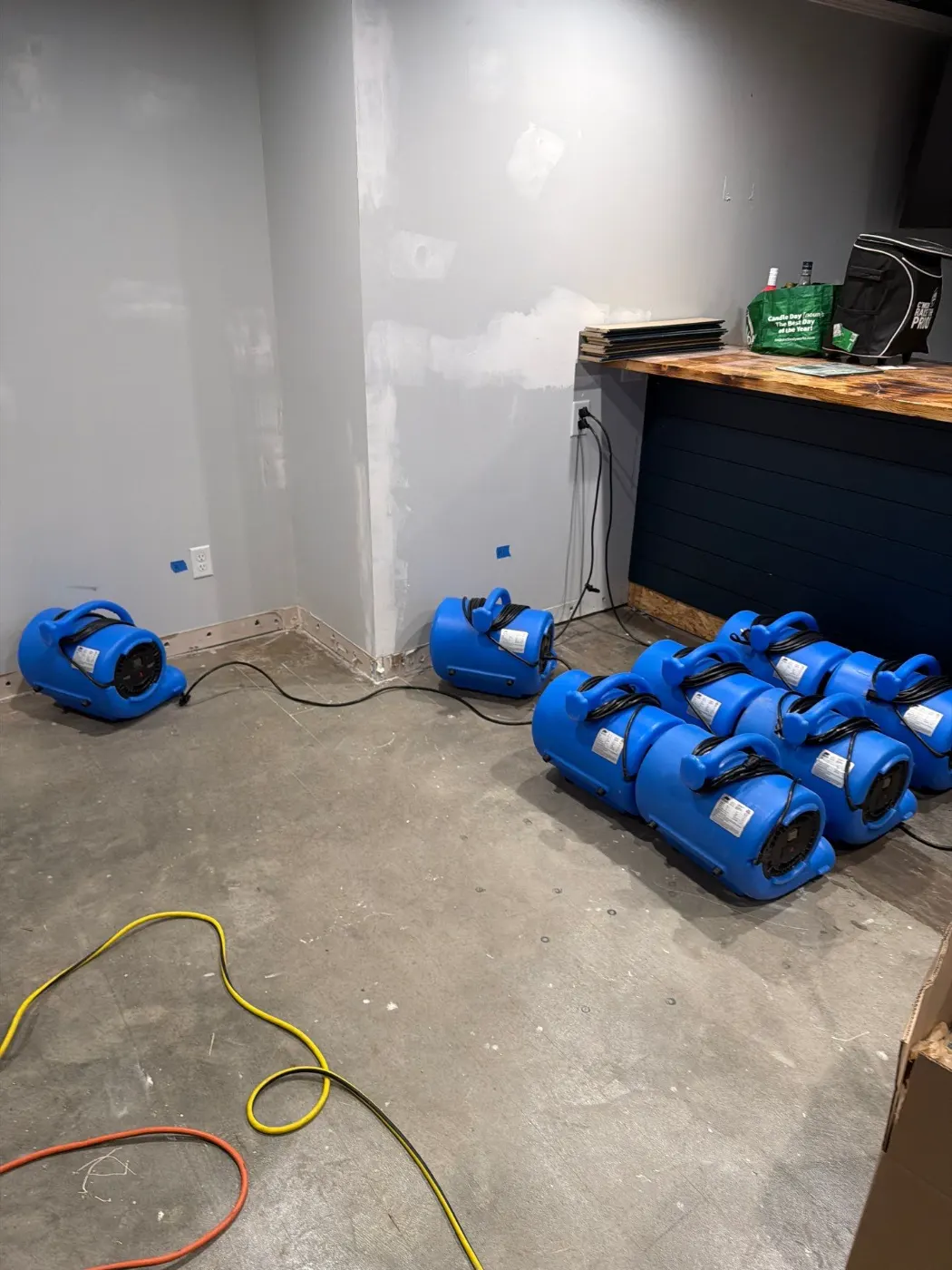
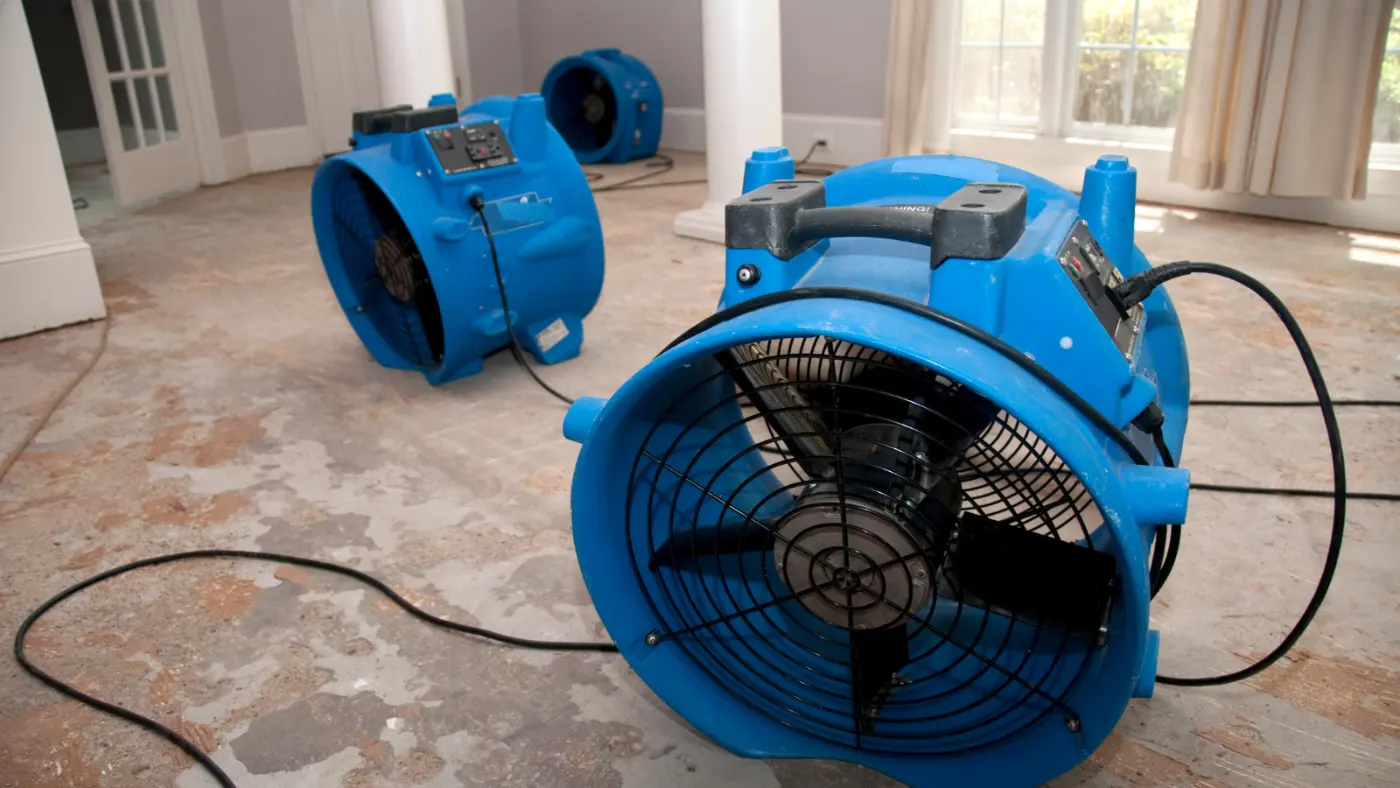
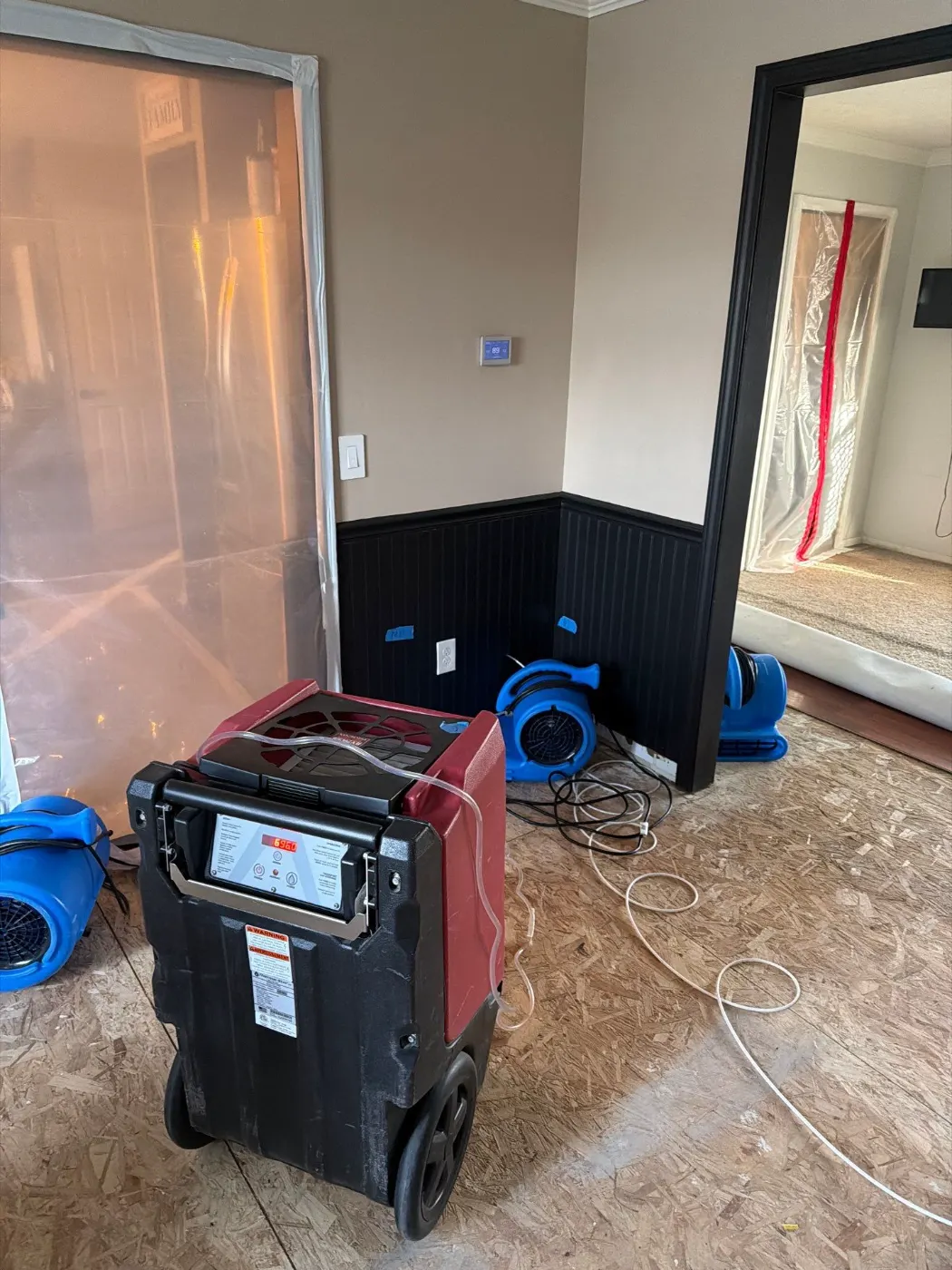
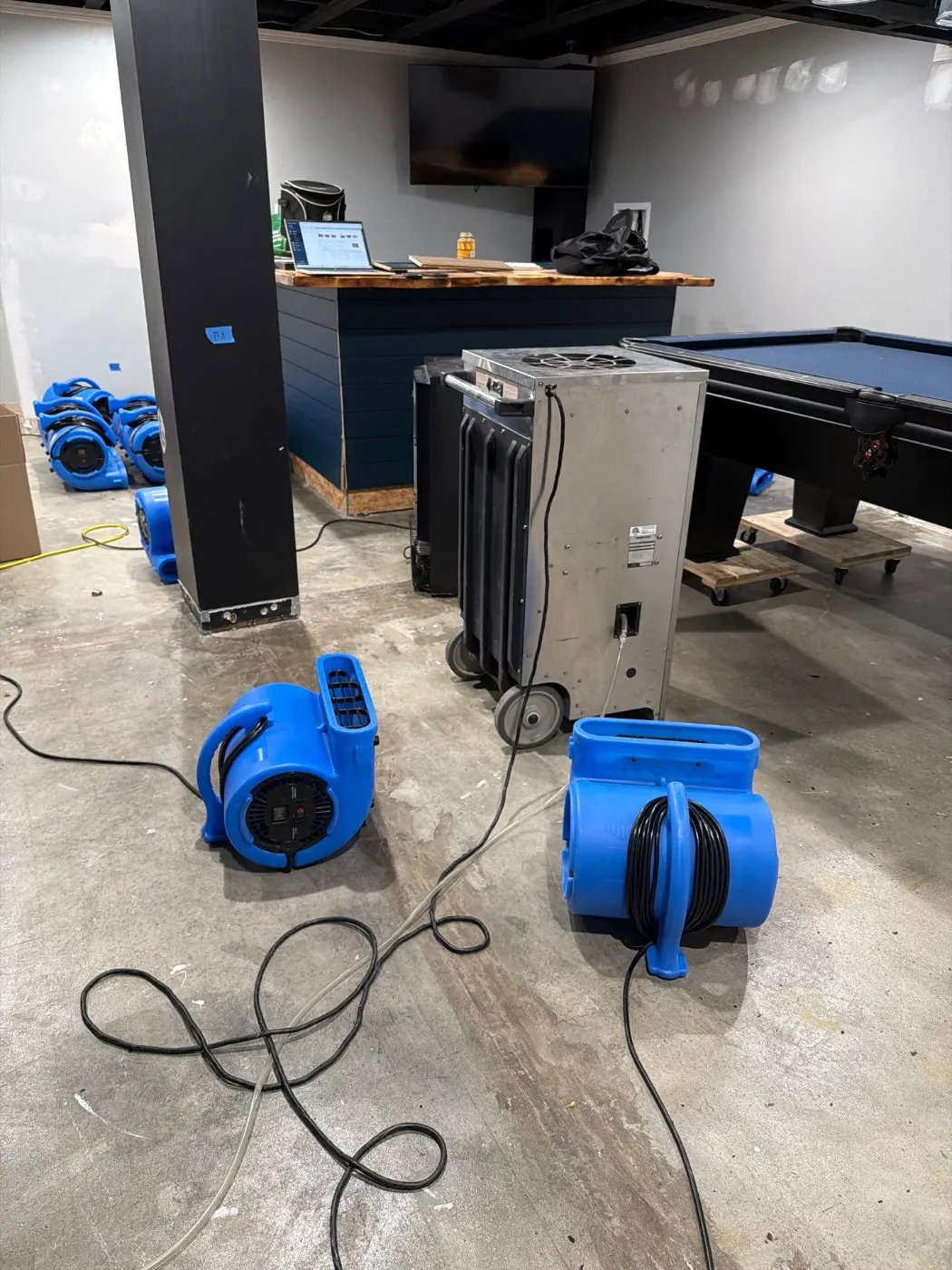
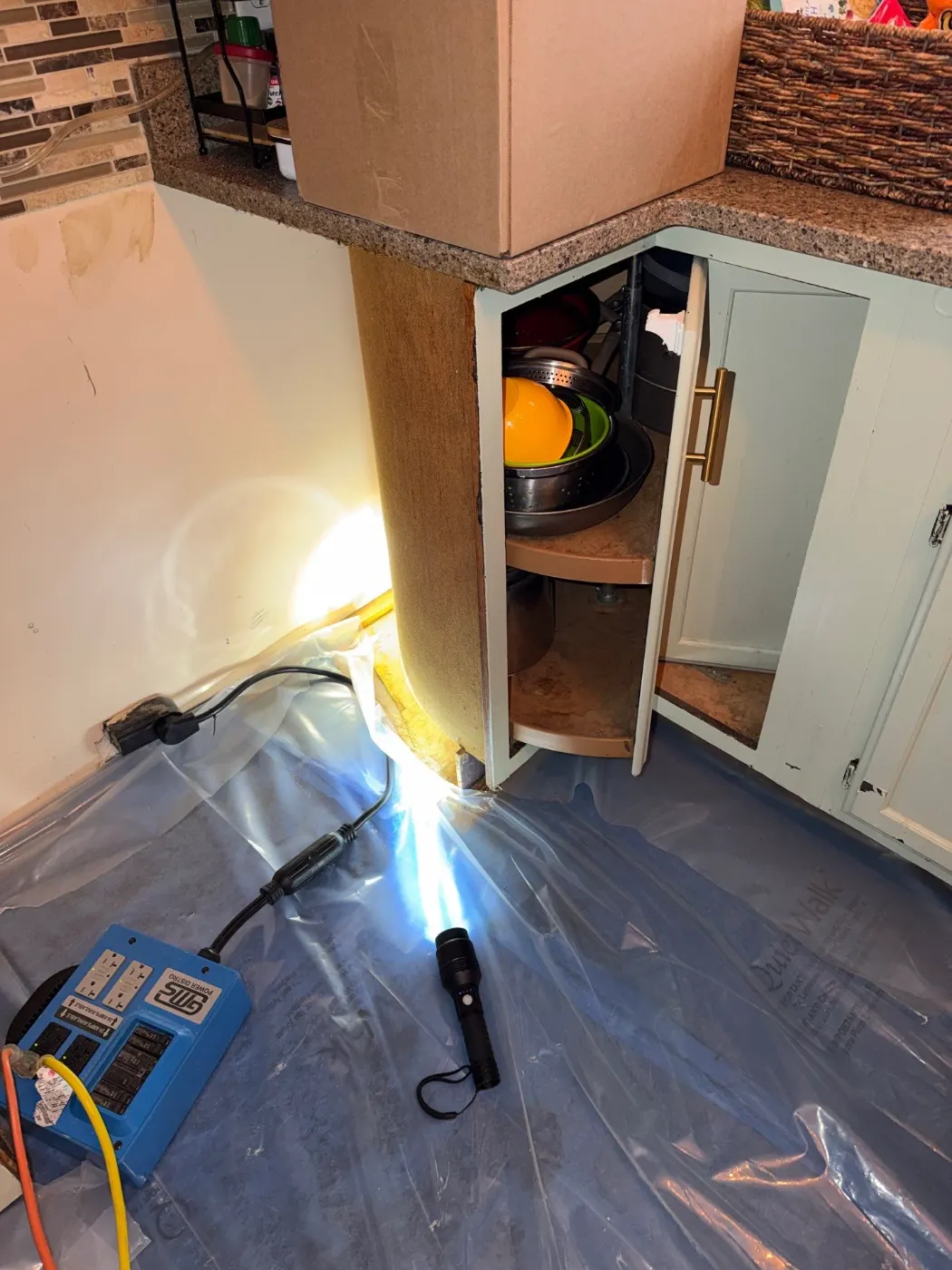
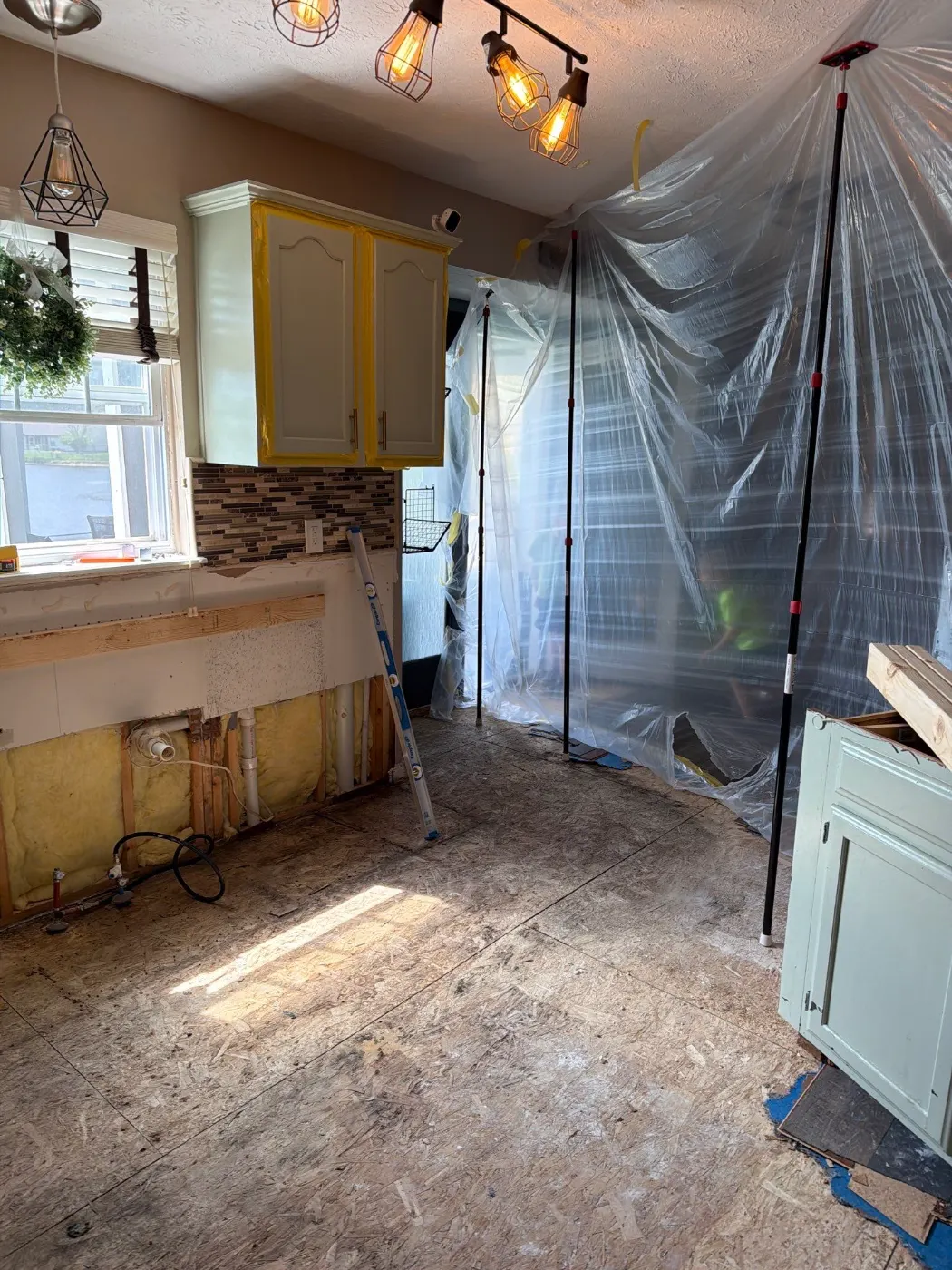
Recent water damage restoration projects across Hope and Bartholomew County, from burst pipe extractions in older homes near the historic district to sewage cleanup and full reconstruction on the rural edges of the service area.
The Path From Hope Emergency to Closeout
The first phase on any Hope water loss is assessment. Within the first hour or two on site, a certified technician walks the property with thermal imaging and moisture meters, traces the source (broken supply line, dishwasher overflow, sewage backup, storm intrusion through a foundation crack), and classifies the water as Category 1, 2, or 3 per IICRC S500. We map the full scope of affected materials before a single piece of drying equipment goes in, because guessing at the scope is how jobs get re done.
Once scope is established, documentation begins. Every affected room is photographed and video recorded before mitigation, moisture readings are logged into a written map, and we contact your insurance adjuster directly to walk through scope. The mitigation work is justified line by line against the S500 standard so the claim has the support it needs. Most Hope homeowners never touch the paperwork side of this, we handle that conversation with the carrier while crews focus on stopping the damage.
Drying and reconstruction close the project. Air movers and dehumidifiers are placed using structural drying calculations sized to the affected square footage, and moisture content is monitored daily until materials match unaffected readings. Controlled demolition removes only what cannot be saved. Then reconstruction begins: drywall, insulation, flooring, paint, trim, and finish work to bring the home back to pre loss condition. The home is dry, verified, and rebuilt before we call the job complete.
Rapid On Site Response
Trucks roll loaded with commercial water extraction equipment, dehumidifiers, air movers, thermal cameras, and moisture meters. A certified lead tech runs the scene from arrival, beginning extraction promptly while the rest of the crew sets containment. Speed here saves materials that would otherwise be torn out.
Category Determination
Water is classified Cat 1, Cat 2, or Cat 3 per IICRC S500 before drying begins, because the Category dictates everything that follows. Clean supply line water is dried in place. Gray water from a washing machine requires antimicrobial work. Sewage requires full containment and removal.
Insurance Partnership
We work with your insurance carrier, not around them. Scope is documented and justified, photos and meter logs back every line item, and we communicate directly with your adjuster through the claim. Invoicing stays transparent.
Verified Dry Standard
Hope homes are not called dry because the carpet feels dry. Materials are confirmed dry with logged meter readings matched to unaffected reference points in the same structure. Only then does reconstruction begin, which prevents mold growth behind new finishes.
Top Causes of Hope Water Emergencies
Washing Machine Hose Burst
Braided stainless hoses fail at the crimp and old black rubber ones fail down the middle. Either way it starts as a weep at the fitting and then opens. Replacing both hoses is a cheap Saturday; drying a laundry room and the room under it is not.
Frozen Pipe in an Exterior Wall
Kitchen sinks on outside walls, second floor baths over unheated garages, and any run through a rim joist are the usual spots. Opening cabinet doors on the coldest nights and letting a fixture trickle costs nothing and prevents most of these.
Dishwasher Leak Under the Cabinet
Pull the machine out and the story is written on the floor: a rust ring at the fitting, swollen particleboard, and a dark line where water ran toward the sink base. All of that gets photographed before demolition so the cause and the timeline stay in the file.
HVAC Condensate Line and Pan
Condensate is clean at the start, then it drips into insulation and drywall and sits there in summer humidity. That combination moves it out of Category 1 quickly, which is why the ceiling assembly gets metered before anybody decides to paint over the stain.
Roof Leak Reaching the Ceiling
A ceiling that bulges is holding water above it, and standing under it to poke a hole is how people get hurt. We relieve it in a controlled way, extract what comes down, and pull the soaked insulation, because insulation that has been saturated does not dry in place.
Refrigerator Ice Maker Line
That quarter inch line feeding the ice maker is the smallest supply in the house and the one nobody looks at. It gets pinched when the refrigerator slides back, then weeps behind the unit where nothing is visible until the flooring cups.
What Should You Do Before the Crew Arrives in Hope?
In the first hour, work through this list in order, starting with the water itself. Everything on it can be done with what you already have at home, and each step makes the drying easier once our crew arrives.
1. Find your main shutoff
In homes with a basement, the main shutoff is usually on the wall closest to the street. In homes without one, look in a utility closet or near the water heater. Close it and leave it closed until the leak is fixed.
2. Stay clear of anything electrical
Stay out of any room where water has reached outlets or extension cords. If the breaker panel is dry and you can reach it without standing in water, switch off the breakers for the wet area. If you can't reach it safely, call your electric utility.
3. Treat sewage water with care
Water from a sewer backup can carry bacteria, so avoid touching it with bare skin. Close the door to the affected room if you can, and keep everyone on a dry floor until the crew arrives with protective gear.
4. Save the paperwork
Deeds and family records are hard to replace, so move them to a dry room before anything else. Put them in a plastic bin or a sealed bag if the rest of the house is damp.
5. Lift furniture off wet carpet
Slide aluminum foil or plastic lids under the legs of wood furniture so stains don't bleed into the carpet. Pull up throw rugs and hang them somewhere dry, since they hold water against the floor underneath.
6. Leave wet drywall and carpet in place
It's tempting to start pulling things out, but leave wet drywall and carpet where they are. Our crew takes the damage photos and moisture readings before anything is removed, and that record goes into your photo report.
7. Use the right tools for small spills
Towels and a mop handle a small amount of clean water. For more than that, use a shop vac rated for wet pickup, and keep regular household vacuums away from the water.
8. Call before the water spreads further
The sooner the crew starts drying, the more of your floors and walls can be saved. Call as soon as the water is off, even late at night, since our dispatch line runs 24/7.
The crew takes over from here, starting with photos and moisture readings, so call when you've done what you safely can.
Three Simple Steps
From the first phone call to the last moisture reading, every Hope job follows the same three steps.
Rolling Out
A single call starts the clock, and a crew is out the door within 2 hours. The damage footprint grows by the hour until extraction begins.
The Assessment
You see the map before we set a single air mover. Every line item traces back to a photo and a reading. The map tells us what dries in place and what has to come out.
Dried and Documented
We do not bill for equipment that is not running. Drying, cleaning, and reconstruction run as one continuous project. Readings are logged daily until Hope materials match unaffected baseline, usually 3 to 5 days.
What the Photo Report Tells You About Water Damage in Hope
Our crew takes the damage photos and moisture readings when we arrive, and those go into a photo report that's yours to keep. It answers the first questions homeowners usually have, starting with what got wet and what can be saved.
The source, in pictures
Whether it was a cracked pipe or a sump pump that quit, the first photos in the report show the source up close and in the context of the room around it. That helps your plumber see the same thing we saw.
What a thermal camera shows
A thermal camera picks up the cooler surfaces that wet materials leave behind. When the crew uses one, the images go in the report next to the meter readings that confirm what the camera found.
Your belongings, documented
Damaged contents get photographed where they were found, along with the rooms around them. If something can't be saved, the photo report shows its condition so you have a record of it.
Saving what can be saved
Drying in place is usually less disruptive than tearing out and replacing, and the readings show when it's possible. The report notes what the crew is drying in place and what it plans to remove, with photos of both.
Progress you can follow
Each visit adds a new set of readings and photos, so the report shows the drying day by day. If one spot dries slower than the rest, you'll see it in the numbers along with what the crew is changing to fix it.
We walk you through it
Once the first readings are in, we sit down with you and go through the report in plain language. You can see what's going on inside your walls from your living room and ask about anything that doesn't make sense.
Deciding with your insurance company
We document damage with a photo report and walk you through what we found, so you can decide with your insurance company. Read your own policy to see what it covers, because each one is a little different.
Call us when you find water, and the photo report starts on our first visit to your home.
What to Ask Before You Hire in Hope
Use these questions with any water damage company you call in Hope.
What happens if you find mold?
Ask how mold behind walls or under floors gets handled, and whether that work is priced apart from the drying.
Who handles repairs after drying?
Ask who replaces drywall, flooring, paint and trim once the structure is dry, and whether one company can do both stages.
Who will be working in my home?
Ask whether the crew works for the company you called or for a subcontractor, and who's in charge on site each day.
How will you show me it's dry?
Ask for moisture readings on the first visit and the last one, so you can see the numbers reach dry standard.
Can I see an itemized estimate?
Ask for every line item in writing. Many insurers price water losses in Xactimate, so an estimate in that format is easier for an adjuster to review.
Does my policy require a certain company?
Ask your adjuster before you sign anything, and read the work authorization so you know what you're agreeing to.
Indiana Weather Drives Restoration Calls Year Round
Indiana weather drives most of the water damage calls we run in Hope. April atmospheric river events saturate Bartholomew County soils and push groundwater through foundation walls, January and February freeze cycles burst supply lines in older crawl spaces, and summer thunderstorm cells drive rain through any compromised building envelope.
Spring Saturation Flooding
South central Indiana spring storms saturate ground around Hope foundations for days at a time, and Haw Creek watershed drainage pushes groundwater toward low lying lots. Hydrostatic pressure forces water through foundation cracks, cove joints, and failed sump pumps. When called in, we extract, dry the slab and walls, and identify the intrusion path so the homeowner knows what failed.
Winter Pipe Bursts
Bartholomew County cold snaps in January and February freeze uninsulated supply lines in crawl spaces, rim joists, and unheated basements. A burst quarter inch line can release hundreds of gallons before anyone notices. We isolate the affected area, extract, set drying equipment, and document the loss for your insurance carrier as a sudden and accidental event.
Severe Thunderstorm Intrusion
Indiana thunderstorms drive wind and rain hard enough to push water through window frames, door thresholds, and storm damaged building envelopes. Hope homes with older single pane windows or aged caulking are particularly exposed. We respond quickly to dry the structure before sheathing and insulation saturate beyond repair.
Summer Humidity and Mold
Indiana summer humidity keeps unconditioned basements and crawl spaces above the moisture threshold where mold colonizes. A small unaddressed leak from June can be a full S520 remediation project by August. We address the moisture source, dry the space, and contain any visible growth before it spreads further into the structure.
Water Restoration by Hope Neighborhood
Each Hope neighborhood below has its own mix of home ages and basements. Open one to see what that means for water damage.
Where we respond near Hope
Call from Hope or a town close by, and a crew can be dispatched at any hour.
What Water Damage Looks Like in Hope
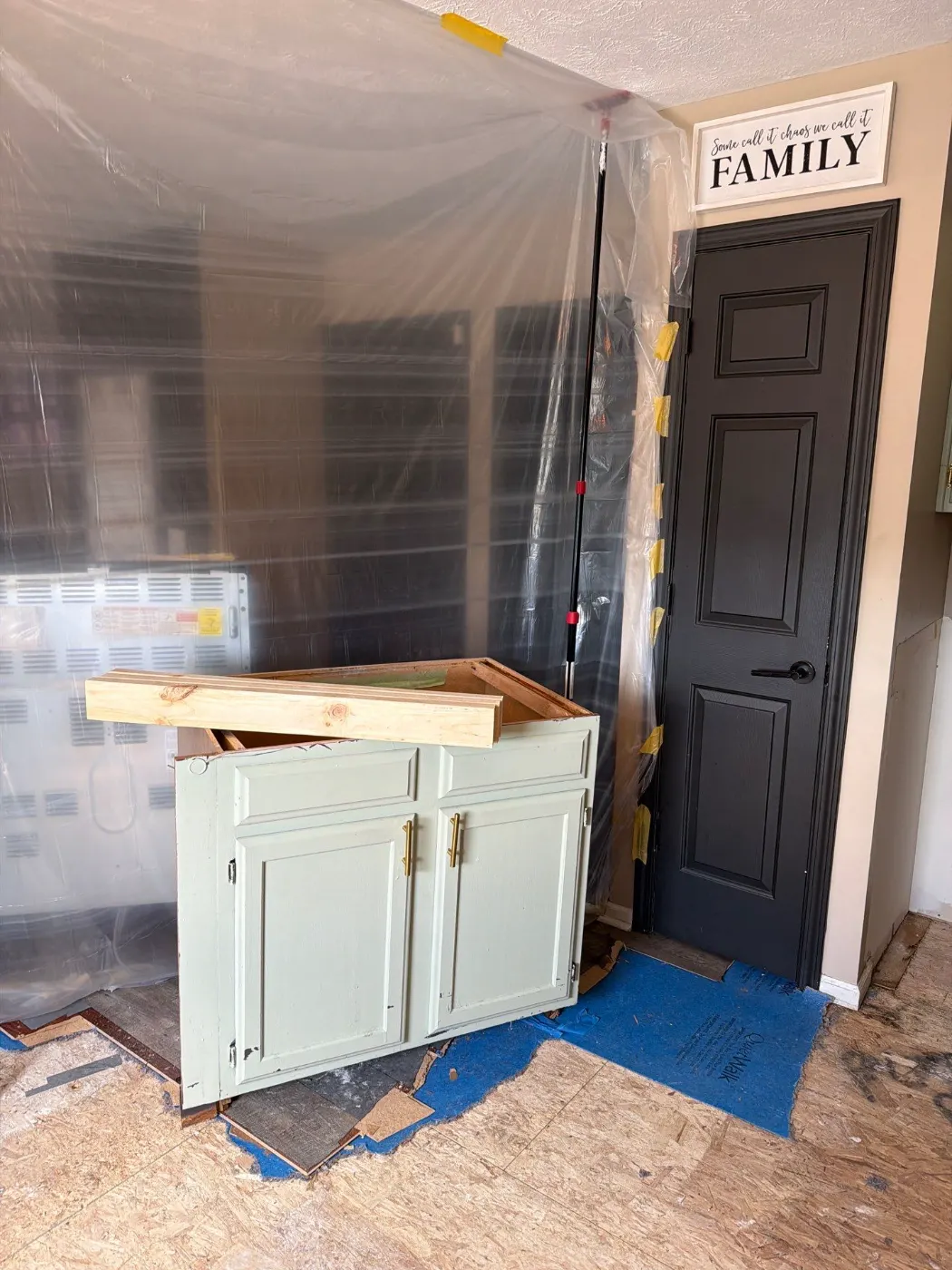
The Hope specifics that shape every job we take here.
About Hope Homes
Hope's housing stock has a median construction year of approximately 1967, with a significant share of homes built before 1940, census data indicates roughly 30% of units predate 1940, reflecting the town's 19th century Moravian founding and continuous development through the mid-20th century. Homes from the pre-1940 era likely contain galvanized steel or early iron plumbing, mid century stock (1940s,1970s) would feature copper supply lines, and the small share built after 2000 may include PEX. Hope's housing is overwhelmingly single family detached, comprising approximately 87% of the housing stock, consistent with a small Indiana town where owner occupied, one- and two story vernacular homes on individual lots are the norm. Given the town's Midwestern construction era (predominantly pre-1980) and soil conditions in Bartholomew County, full or partial basements are common in the older detached homes, increasing exposure to groundwater intrusion and sump pump dependency; a small share of the housing includes mobile homes (approximately 6.5%).
Where We Work in Hope
We cover homeowners across Hope near Hope Historic District (National Register of Historic Places), Hauser Junior-Senior High School, Hope Town Square and Bandstand, Yellow Trail Museum, Hope Moravian Church, Bartholomew County Public Library, Hope Branch, Community Center of Hope, Simmons School (historic one room schoolhouse).
Surrounding Areas We Serve
Our crew also covers Columbus, Hartsville, Clifford, Edinburgh, Jonesville, Flat Rock Township.
Recent Weather Patterns
Hope sits in south central Indiana's Bartholomew County, a region documented as impacted by significant flooding events, INDOT records confirm I-65 in Bartholomew County was among dozens of highways closed during a major April atmospheric river event that produced the highest rain totals in decades across the state, with Columbus (the county seat 15 minutes from Hope) directly named as an impacted community. The broader region experiences recurrent spring flash flooding, freeze thaw pipe burst cycles in winter, and severe thunderstorm driven water intrusion common to central Indiana's humid continental climate.
What Our Crew Sees in Hope
Hope's tight 0.95-square mile footprint means a high density of aging housing stock, with roughly 30% of homes predating 1940, creating elevated risk for galvanized pipe corrosion failures, aged clay sewer lateral failures, and basement water intrusion in structures built before modern waterproofing standards. The town is bisected by Haw Creek watershed drainage patterns, and low lying lots near the creek corridor face groundwater and surface water encroachment during heavy rain events typical of Indiana spring storm seasons. The freeze thaw cycle in Bartholomew County's cold winters puts uninsulated supply lines in older crawl spaces, rim joists, and unheated basements at recurring burst pipe risk each January and February.
The Hope Area
Hope has a population of approximately 2,090,2,197 residents (2024,2026 estimates), with a median household income in the range of $68,000,$76,000 and a predominantly family oriented, owner occupied profile, roughly 77,81% of occupied housing units are owner occupied. The town skews relatively young (median age approximately 31) with many family households, indicating a stable base of long term homeowners with aging housing infrastructure.
Inside Water Restoration Work in Hope
What happens in the first 48 hours, what follows, and how it ends.
Emergency response on a Category 1 or Category 2 loss in Hope starts the moment the truck arrives. Commercial water extraction equipment pulls standing water from carpet, hard floors, and subfloor cavities, while commercial dehumidifiers sized to the affected square footage begin pulling moisture from the air. Professional air movers direct circulation across saturated materials, and moisture meters log baseline readings room by room. Thermal imaging maps the perimeter of the wet area so nothing is missed behind walls or under cabinets. Extraction begins promptly on site, structural drying setup is completed the same day, and daily monitoring confirms readings are trending down. Work zones are contained with plastic to protect unaffected rooms, and the homeowner gets a clear walk through of what happens day by day until the structure is verified dry.
Specialized containment is the protocol for Category 3 water (sewage backup, floodwater, long stagnant water with biological load) and any meaningful mold remediation per IICRC S520. The affected area is sealed off with 6-mil plastic barriers floor to ceiling, entry points are taped, and negative air machines pull contained air through HEPA filtration before exhausting outside the work zone. Technicians work in full PPE: Tyvek suits, N95 or P100 respirators per S520, nitrile gloves, eye protection. Contaminated porous materials (drywall, insulation, carpet pad) are cut, bagged, and disposed of per protocol. Remaining structure receives antimicrobial application, and post remediation verification with air sampling is performed when the scope warrants it. This is the phase where IICRC certification matters most, because corner cutting here is what causes the long term health complaints months later.
Reconstruction brings the home back to pre loss condition once drying is verified. The crew hangs drywall, tapes, mudds, sands, primes, and paints. Flooring is replaced (carpet and pad, vinyl plank, hardwood refinish, tile reset). Trim and baseboards are reinstalled or replaced, doors rehung, cabinetry repaired or replaced as needed, and finish electrical and plumbing work coordinated to complete the rooms. The project runs under one project number from the initial emergency call through final walk through, with one project manager the homeowner can call directly. Many restoration companies stop after drying and hand the homeowner a list of general contractors to chase down. That handoff is where projects stall for weeks. We complete the job rather than leaving the home half finished in demolition.
Living at Home During a Dry Out in Hope
You can usually keep living at home during a dry out. The equipment is loud and it runs day and night, but the crew sets it up so you can still use the rest of the house while the wet rooms dry.
Warm rooms are normal
The rooms being dried often feel warmer than the rest of the house, since dehumidifiers give off heat as they work. That warmth helps the drying, so leave the thermostat where the crew asks.
Set units back the way they were
The crew places each unit based on where the readings are wettest. If you bump one or need to get past it, set it back the way it was, aimed at the same spot.
Keep windows closed
Open windows let humid outdoor air in, and the dehumidifiers then have to dry that air too. Keep the windows shut in the rooms being dried until the crew tells you to open them.
Keep cords clear
Cords run along the floor between the outlets and the equipment. Leave them where the crew routed them, and keep rugs and furniture off the cords so they stay cool and easy to see.
Pets and drying rooms
Pets tend to be curious about the noise and the warm air, so keep them out of the drying rooms when you can. A gate across the doorway works if a door has to stay open.
Tell us what you notice
You live in the house, so you'll notice changes between visits, like a new stain or a smell that wasn't there before. Mention them on the next visit, or call us if something seems wrong.
If you're worried about mold
CDC doesn't recommend mold testing, and EPA says homeowners can usually clean moldy areas under about 10 square feet themselves. If you see or smell mold during the dry out, point it out to the crew on their next visit.
When the equipment comes out
The equipment comes out when the readings show the materials are dry, and the crew shows you those readings before they pack up. If anything needs repair, that work gets scheduled once the drying is finished.
If something about the setup gets in the way of your household, call us, and the crew will look at it with you on their next visit.
Sources: CDC, About Mold · EPA, A Brief Guide to Mold, Moisture and Your Home
Hope water damage pricing
Mitigation ranges for Hope. Insurance covers most claims.
Hope Water Restoration is powered by Indy Roof & Restoration
One company stands behind this page: Indy Roof & Restoration, with its reputation on every job. The team has covered central Indiana since 2018: the same subdivisions, the same weather, year after year. Anyone can read the 2,380+ Google reviews left for Indy Roof & Restoration.
Licensed and insured · License #RC21100059
On the wall: BBB A+ Rated · Owens Corning Preferred Contractor · Malarkey Certified Contractor. The company has been featured on FOX59, WISH TV, and RTV6. The same team also put together Habitat for Humanity, Toys for Tots, the annual school supply backpack drive, and local youth sports and school programs across central Indiana.
Your Hope Water Restoration Questions
What to expect, in plain answers to the questions Hope homeowners ask us most.
Expert Hope Restoration Crews Available Now
Water spreading through your Hope home right now, sewage in the basement, or storm water rising past the baseboards: call Hope Water Restoration for fast emergency dispatch. Free on site inspection, no obligation, and we work directly with your insurance carrier through the entire claim.