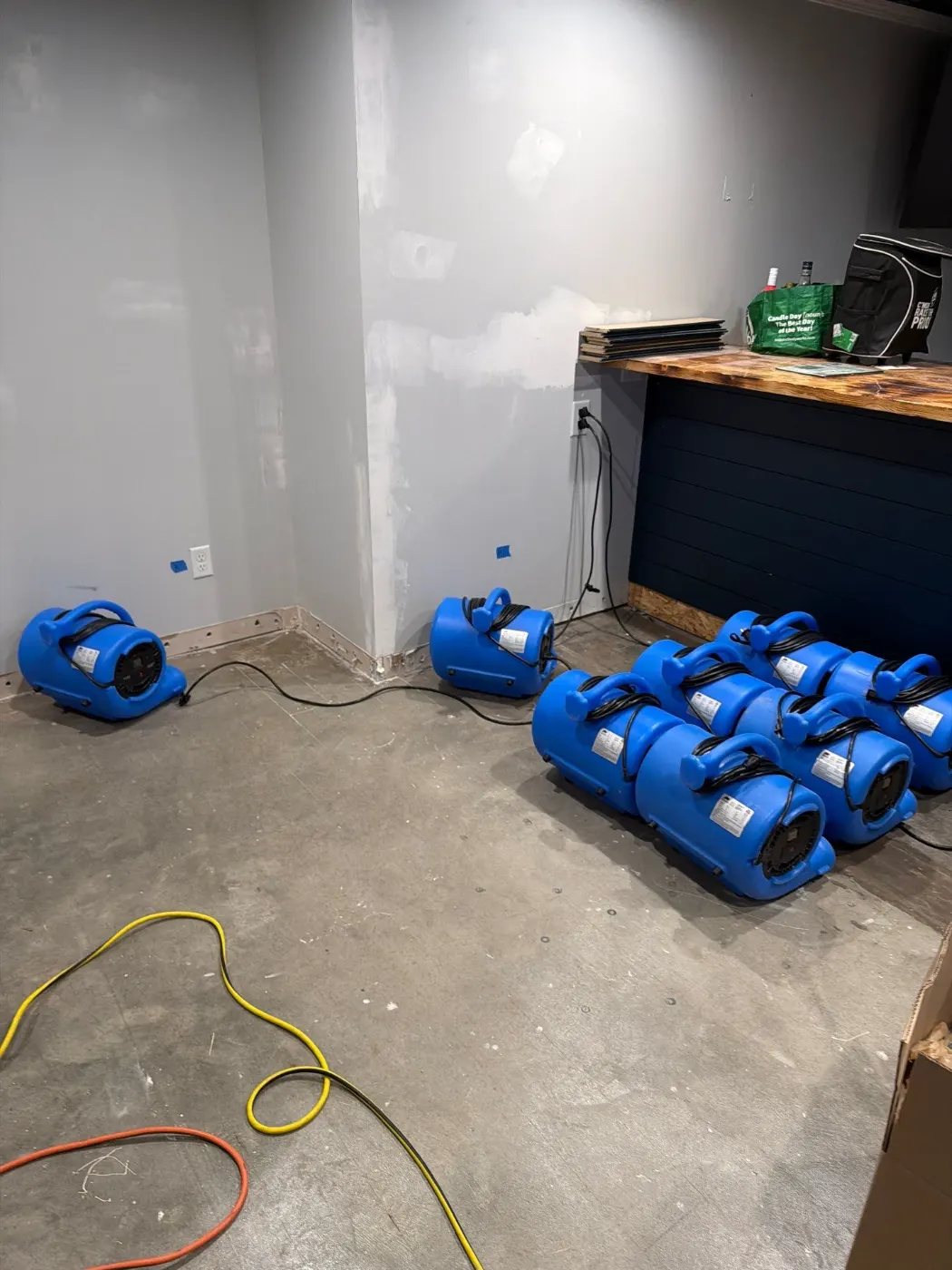
Commercial Water Restoration in Hope, IN
Commercial water restoration serving Hope and Bartholomew County around the clock, done to the IICRC S500.
When Hope homeowners need Commercial Water Restoration, Hope Water Restoration responds 24/7 with certified technicians, fast equipment deployment, and claim ready documentation. Call (463) 241-6041 for immediate dispatch.
- Service: Commercial Water Restoration for Hope homeowners
- Service area: Hope, IN and surrounding areas
- Response time: 24/7 answering with priority emergency dispatch across Hope
- Licensed and insured (License #RC21100059)
- Serving Hope, IN since 2018
Commercial Water Damage Restoration in Hope
We extract water and dry commercial buildings across Hope, and we're available around the clock.
Site Conditions
Freeze and thaw cycles each winter can burst pipes in unheated parts of a commercial building. Your building's own drains and roof get checked on the first walkthrough with whoever manages the property.
We cover commercial properties across Hope, including the area around Hauser Junior-Senior High School and Hope Moravian Church. We also handle commercial water losses in Edinburgh, Clifford, Hartsville and Columbus.
Commercial Water Restoration for Hope Businesses
The calls started reaching the management office before anybody had the full picture. A tenant two floors down has water at their ceiling, and the suite above reports everything looks fine. Water runs sideways along the top of a ceiling grid and down through penetrations nobody can see from either side. Hope Water Restoration dispatches a crew to commercial losses in Hope within 2 hours and traces the migration path before anyone starts guessing which units are affected.
Older commercial buildings can have asbestos in floor tile, mastic, ceiling texture and pipe wrap. Before anything gets cut or lifted in an older building in Hope, Hope Water Restoration asks for the existing survey or arranges sampling by a qualified lab, and removal of any positive material waits for the right contractor.
The job ends on numbers. Every material that was wet gets read again and compared against dry standard readings taken from the same materials in an unaffected part of your building. Equipment comes off the floor after those readings are documented, and containment comes down after that. Hope Water Restoration gives you the final readings in the same file as the first day's map, so the whole drying curve stays visible.
Contents get claimed one item at a time, so the inventory matters. List each item of furniture and equipment by room with a description and a photograph. Hope Water Restoration photographs contents in place before anything is moved and keeps the list with the job file, which saves your staff from rebuilding it from memory later.
If you're weighing whether this waits until morning, it usually shouldn't. Hope Water Restoration answers commercial water calls in Hope around the clock with a 2 hour dispatch window. The sooner a crew is on site, the smaller the drying scope and the shorter the documentation gap your adjuster sees.
Signs You Need Commercial Water Restoration
If you notice any of these in your Hope building, schedule a free inspection before the issue worsens.
Carpet seams darkening along a corridor even though the surface feels dry
Rust staining at the base of steel studs, shelving uprights or racking posts
Sewage backing up at a floor drain in a restroom, kitchen or loading area
Water wicking up the bottom of a metal door frame or steel stud track
Sprinkler head knocked loose by a ladder or a forklift and discharging into the aisle
Drips from a ceiling mounted fan coil unit or a variable air volume box
Ceiling tiles on the break room floor Monday morning with wet carpet tile beneath them
Musty odor at a return air grille that gets stronger when the HVAC runs
Flush valve running over a weekend with water seeping into the hallway carpet
Carpet in the sanctuary or fellowship hall squishing underfoot after a weekend storm
How Hope Water Restoration Handles Commercial Water Restoration
We follow these steps in order on every Hope job.
Engineering Walkthrough
Walkthrough runs with your building engineer to isolate the source, confirm which risers and panels are involved, and identify occupied areas that have to keep operating. Access needs and after hours windows get set during the same visit.
Containment and Zone Planning
Affected areas get polyed off and put under negative pressure where the water category calls for it, with corridors and egress kept clear. Zone boundaries get drawn with your management office so unaffected tenants keep working.
Daily Monitoring and Reporting
A technician reads the same locations every 24 hours, logs them against unaffected baseline readings taken elsewhere in the building, and repositions equipment as the wet zones shrink. The day's numbers go to your management office.
Tenant Notices and Updates
Plain language notices go out to the tenants in your Hope building saying which areas are affected and when crews will be in the space. Updates follow as the readings change, with a contact name for questions.
Repair Scope Handoff
Hope Water Restoration lists every removed material by room with measurements and photographs. Your repair contractor prices from that list and the final readings, and the slab results tell the flooring installer when the floor is ready.
Commercial Water Restoration in Hope
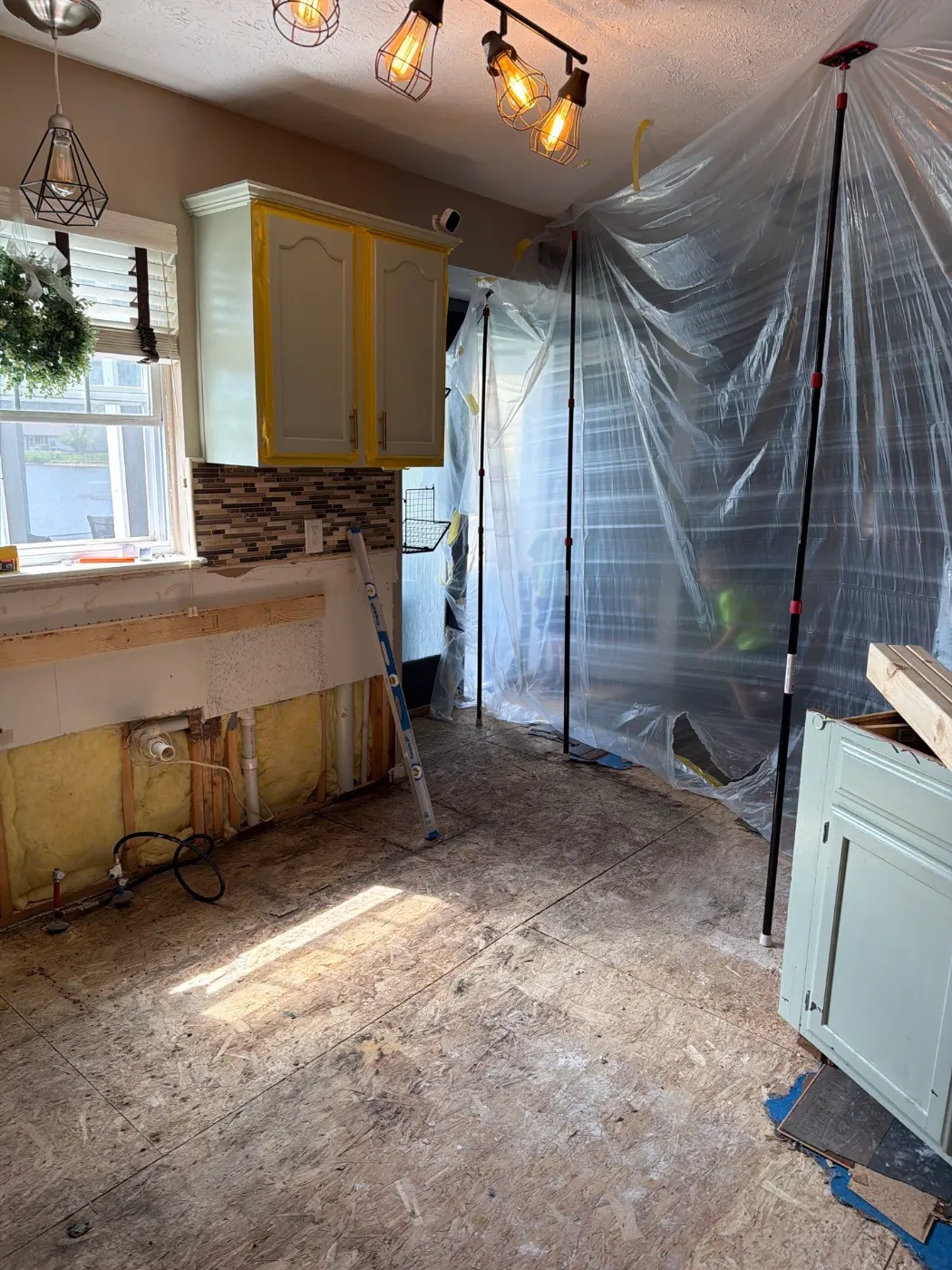
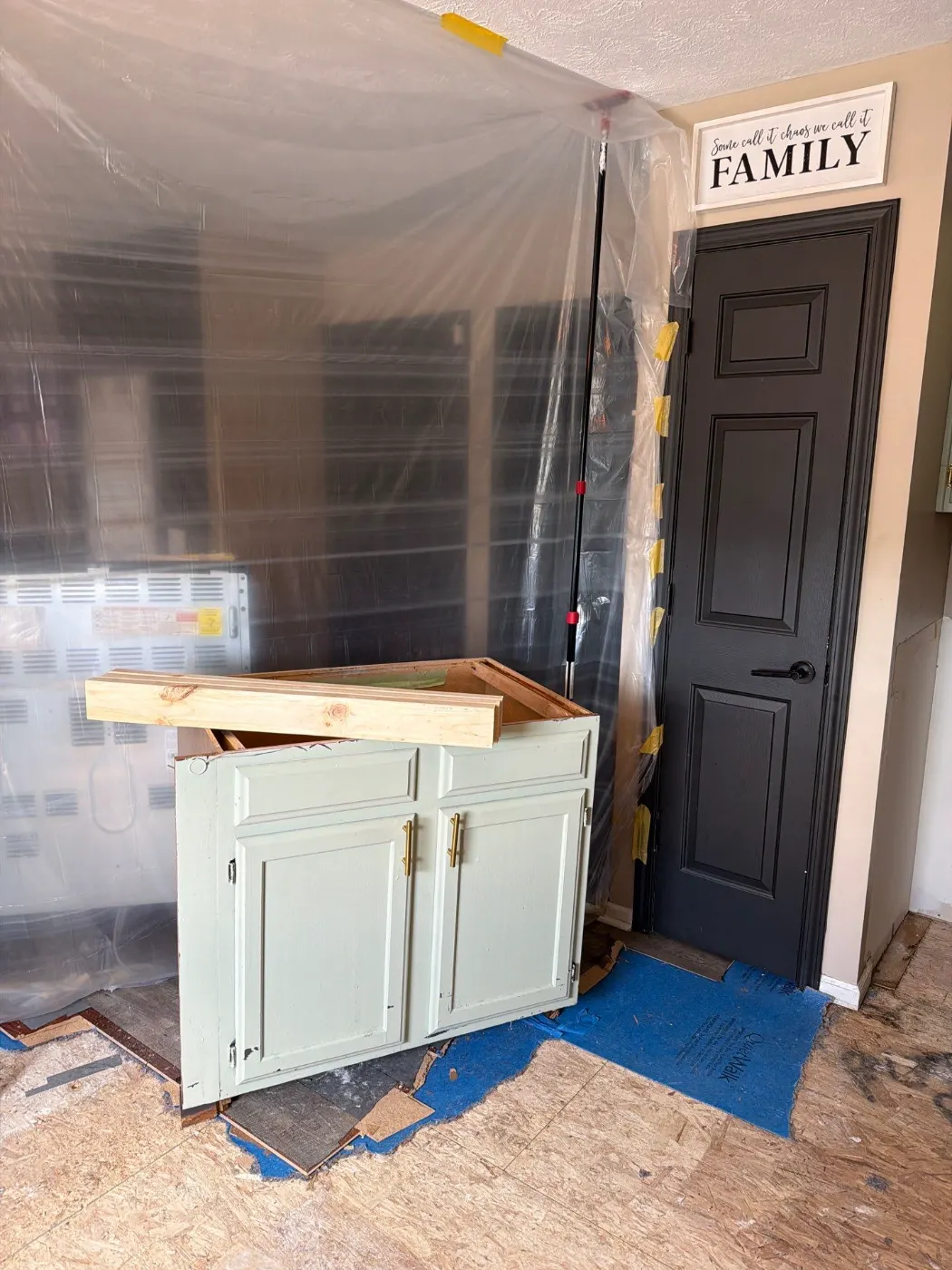
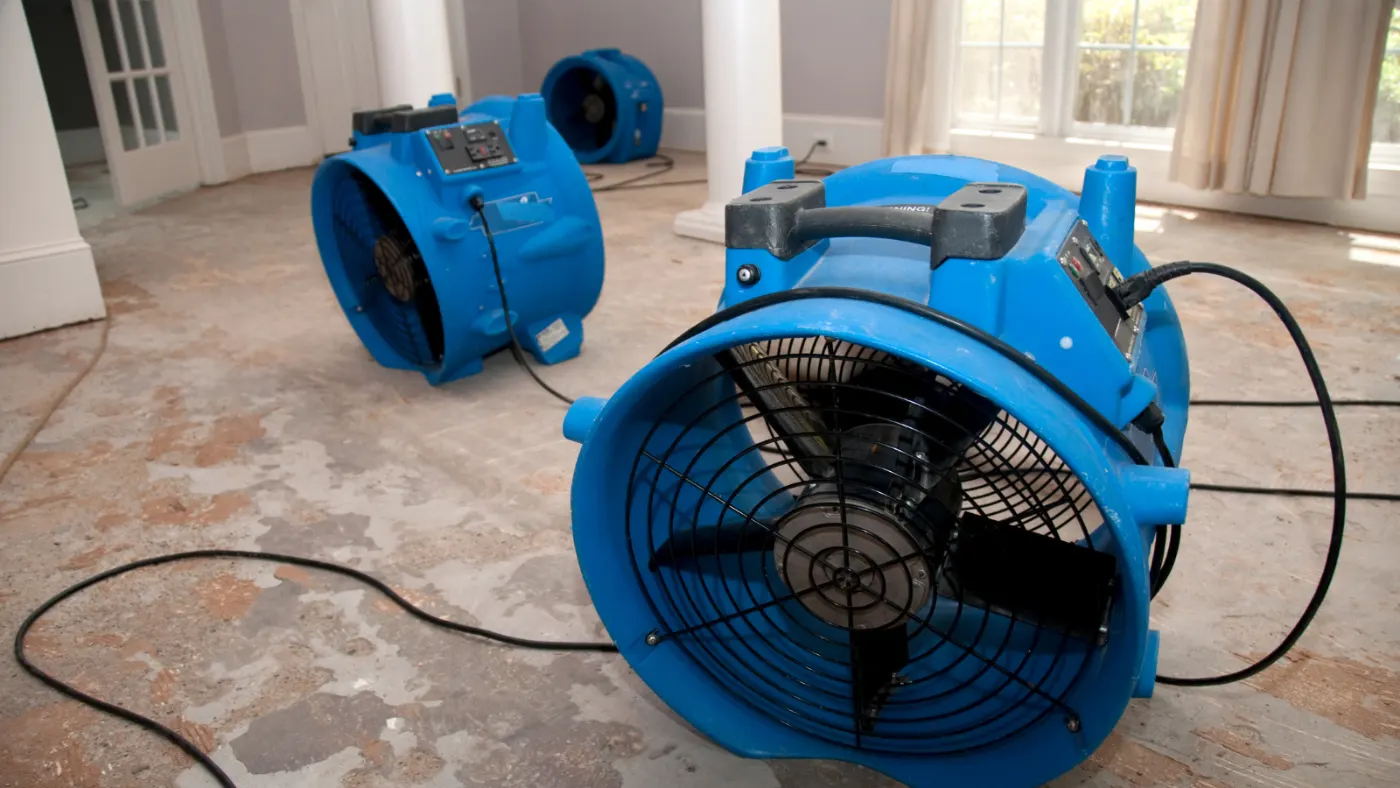
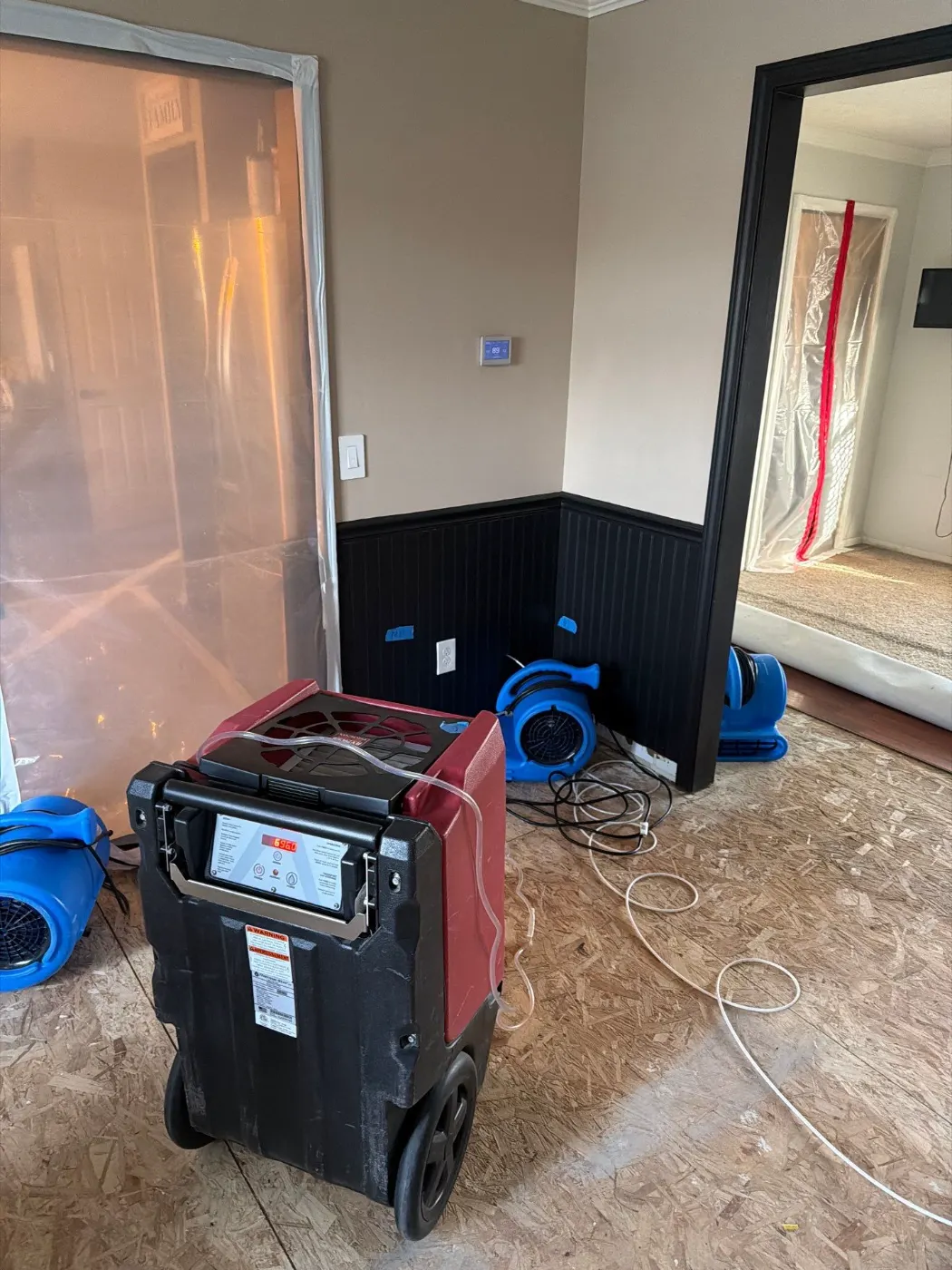
Photographs from real commercial water restoration jobs completed by our crew in Hope and surrounding areas.
Commercial Water Restoration FAQ
Questions Hope property managers ask us about commercial water restoration.
Guidance and Standards for Commercial Water Restoration
- The ANSI/IICRC S500 is the published standard for professional water damage restoration. The current edition is the Fifth Edition, 2021. IICRC S500 Standard
- EPA advises drying water damaged areas and items within 24 to 48 hours to prevent mold growth. EPA: A Brief Guide to Mold, Moisture and Your Home
Hope Neighborhoods We Serve
We take commercial water restoration calls in every part of Hope. Pick your neighborhood for local details.
Other Restoration Services in Hope
Hope Water Restoration handles the full scope of restoration work. Explore our other services below.
Water Damage Restoration in Hope
24/7 emergency response. IICRC certified water restoration from extraction to full dry out.
Learn more →Basement Flooding in Hope
Basement water emergencies handled fast. Extraction, drying, mold prevention.
Learn more →Sewage Cleanup in Hope
Category 3 biohazard cleanup. Full containment, decontamination, structural restoration.
Learn more →Request Commercial Water Restoration
Reach Us Directly
Our team is available 24/7 for emergencies and ready to schedule inspections during business hours.
Need Immediate Help?
For active water or mold emergencies, call us directly. We are available 24/7.